Fabric & care
Twill weave scrubs: why they hold up
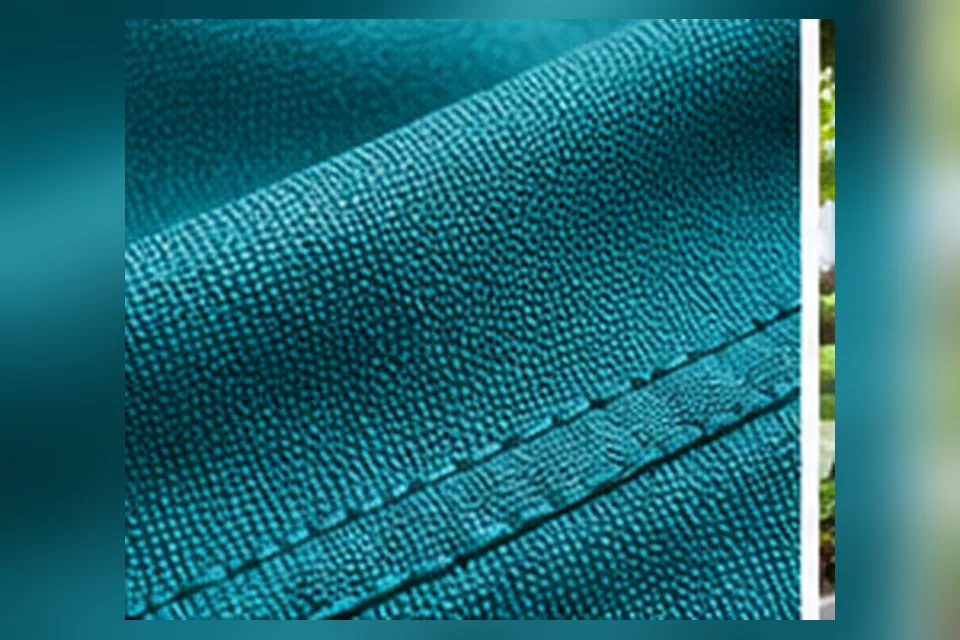
Look closely at a pair of jeans and you will see fine diagonal lines running across the fabric. That is a twill weave. The same structure, in a much lighter and softer form, is used in many scrubs, including our everyday sets.
Most people never think about weave, but it quietly shapes how a uniform feels, how it hangs and how long it lasts. Here is a plain explanation.
How fabric is woven
Woven fabric is made from two sets of threads crossing at right angles:
- The warp runs along the length of the fabric.
- The weft runs across it, passing over and under the warp.
The pattern of “over” and “under” is the weave. Change the pattern, and you change the fabric.
Plain weave
In a plain weave, each weft thread goes over one warp thread, then under the next, then over, then under. It is the simplest weave, like a basic chequerboard.
- Crisp, flat surface.
- Same look on both sides.
- Light and firm.
Our OT Green Surgical Scrub Set uses a poly-cotton plain weave. It gives a clean, crisp look suited to theatre.
Twill weave
In a twill, each weft thread passes over two or more warp threads, then under one or more, and each row shifts one step along. That shift creates the diagonal lines.
Because the threads “float” over more than one crossing, a twill can pack in more threads and move more freely. The result:
- Softer drape. The fabric falls and moves with the body rather than standing stiffly.
- Better resistance to wear. The dense, interlocking structure stands up well to rubbing at knees, elbows and pockets.
- Fewer visible creases. The diagonal texture hides light wrinkles.
- Hides small marks. Minor stains and lint are less obvious on the textured surface.
Why twill suits everyday scrubs
Everyday scrubs live a hard life: bent, stretched, rubbed against bed rails, washed often and dried in a hurry. Twill helps with each of those.
| Need on the ward | How twill helps |
|---|---|
| Lots of bending and kneeling | Sturdy at knees and seat |
| Frequent washing | Holds its structure |
| Looking tidy all shift | Creases less visibly |
| Comfort in a long shift | Softer drape against the skin |
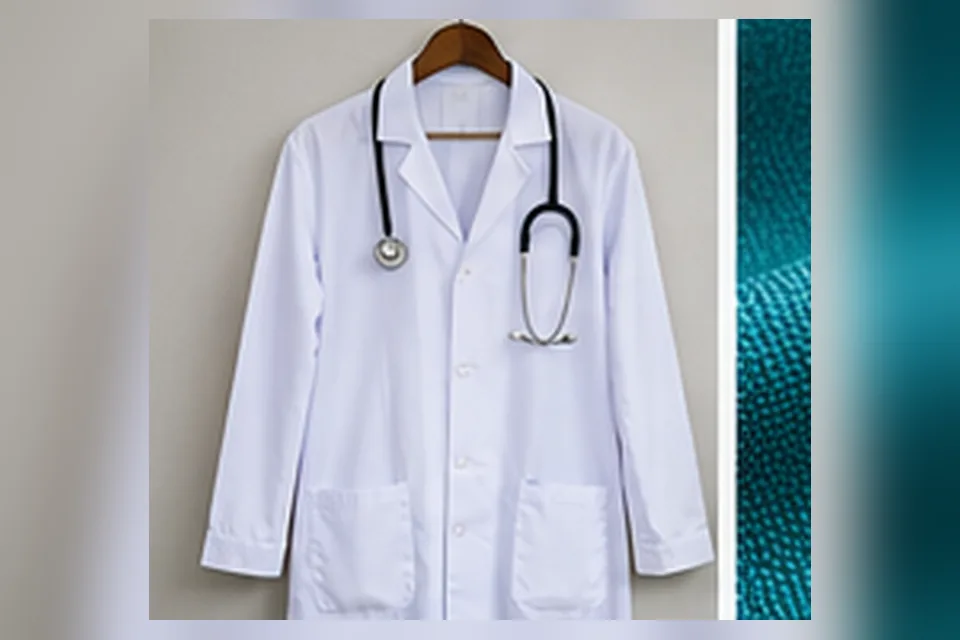
That is why our Women’s V-Neck Scrub Set and Men’s / Unisex Round-Neck Scrub Set use a poly-cotton twill, and our doctor coat does too.
Twill plus poly-cotton
Weave and fibre work together. Poly-cotton brings easy care, colour that lasts and quicker drying; twill brings softness and wear resistance. Together, they make a practical fabric for Kerala’s humidity and monsoon. More on the fibre side in our post on why most scrubs are poly-cotton.
Caring for twill scrubs
Twill does not need special treatment. Follow the care label:
- Machine wash warm, up to 60 °C, with similar colours.
- No bleach on coloured scrubs.
- Tumble dry low or line dry.
- Warm iron, inside out if needed.
Turning scrubs inside out in the wash also protects the twill surface from rubbing, so it keeps its smooth look longer.
How to spot twill
Hold the fabric close to the light. If you see fine diagonal lines running at an angle across it, it is a twill. If the surface looks like a tiny even grid, it is a plain weave.
The takeaway
Twill holds up because of its structure: denser, softer and more resistant to wear than a simple plain weave. For a uniform you will wear and wash constantly, that makes a real difference. Feel it for yourself by choosing a set from our scrubs range.