Fabric & care
Scrub fabric weight (GSM) explained
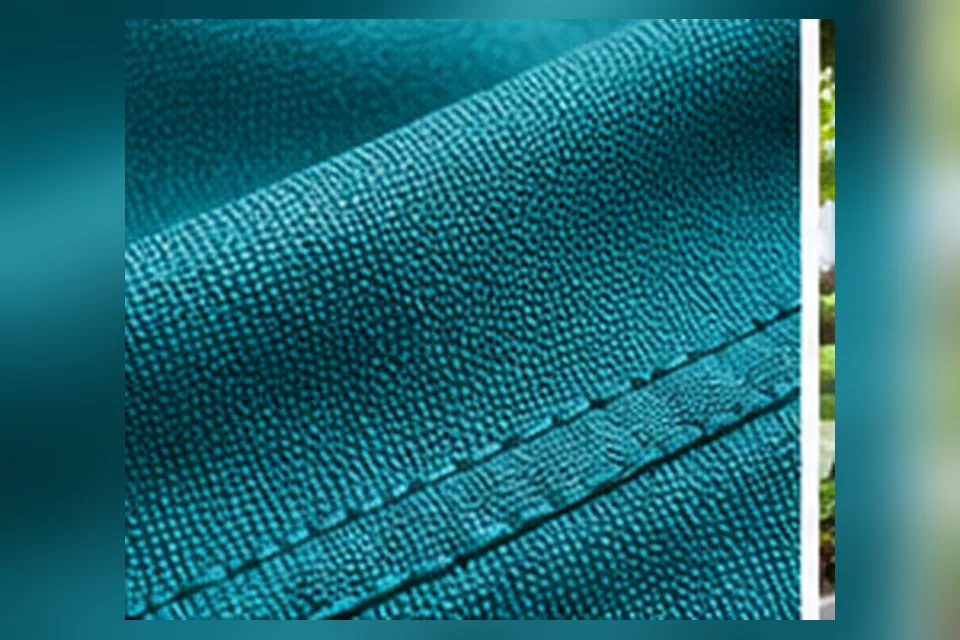
If you have ever compared uniforms online, you may have seen a number followed by “GSM” in the fabric details. It sounds technical, and some sellers use it as if a bigger number is always better. It is a useful measure, but it does not tell you everything about how a scrub will feel on a long shift.
Here is what GSM means, what it does and does not tell you, and how to think about weight when choosing scrubs.
What GSM means
GSM stands for grams per square metre. Imagine cutting a square of fabric one metre by one metre and weighing it. That weight in grams is its GSM.
- A higher GSM means more fibre packed into the same area: a heavier, usually denser fabric.
- A lower GSM means a lighter, usually thinner fabric.
That is all it measures. It does not measure softness, breathability or strength directly.
How weight affects a scrub
| Weight | Feels like | Good points | Watch out for |
|---|---|---|---|
| Lighter | Thin, airy | Cool in heat, dries fast | Can be see-through, may wear faster |
| Medium | Balanced | Comfortable, opaque, durable | Usually the everyday sweet spot |
| Heavier | Substantial, structured | Very durable, crisp look | Warmer, slower to dry |
For scrubs worn all day in a humid climate, a medium-weight fabric usually works best. It is opaque enough for modesty when you bend, sturdy enough for constant washing, and light enough to stay comfortable.
Coats are a slightly different case. A doctor coat worn over clothes benefits from more structure, while a student lab coat is often lighter so it is comfortable over a uniform. That is why our doctor coat uses poly-cotton twill and our lab coat uses a lighter poly-cotton.
Why GSM is not the whole story
Two fabrics with the same GSM can feel completely different. Other things matter just as much:
- Fibre blend. Poly-cotton, pure cotton and pure polyester behave differently at the same weight.
- Weave. A twill weave feels softer and drapes more than a plain weave of similar weight. Our post on twill weave scrubs explains why.
- Yarn quality. Finer, well-spun yarns make a smoother, stronger cloth.
- Finishing. How the fabric is treated after weaving changes its softness and how it handles washing.
- Stitching. Even the best fabric fails early if the seams are weak.
So a heavier fabric is not automatically better. It may simply be hotter.
How to judge fabric without a lab
You can learn a lot by hand and eye:
- Hold it up to the light. You should not see clearly through a scrub top.
- Scrunch it in your fist for a few seconds. Good scrub fabric relaxes without deep creases.
- Feel the surface. It should be smooth, not scratchy or plasticky.
- Check the seams. Stitches should be even and close together, with no loose threads.
- Look at the pockets. Corners should be reinforced, since they take the most strain.
If you are near Pathanamthitta, pickup at our unit in Konni is possible, and you can see the fabric in person.
Our approach
We choose fabric for how it performs in daily hospital wear in Kerala: poly-cotton for easy care and colour, twill for softness and wear on the everyday sets, plain weave for the OT green set. We think the overall feel and durability matter more than any single number on a label.
In a nutshell
GSM tells you how heavy a fabric is, not how good it is. For scrubs, aim for a balanced medium weight, then judge blend, weave and stitching too. To see the fabrics we use, browse our scrubs range.