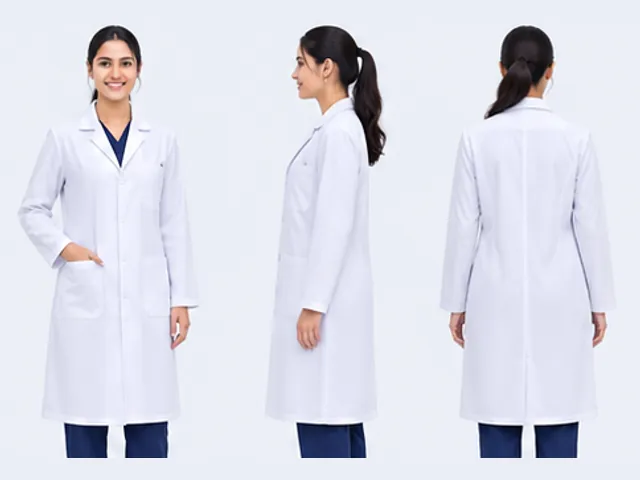
For students
The white coat for MBBS students
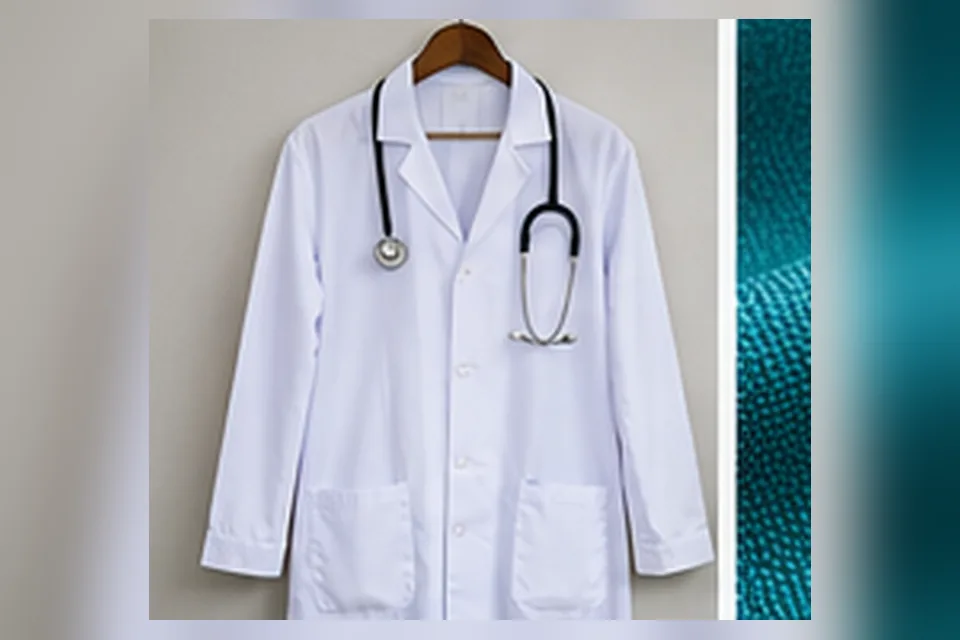
Few pieces of clothing get worn as hard as an MBBS student’s white coat. It goes to anatomy dissection, physiology practicals, ward rounds, OPD postings and exams, often for years. It gets folded into bags, hung on chair backs and washed far more often than a normal shirt.
So it is worth choosing it carefully, rather than picking up whatever is available in the first week of college.
Check what your college expects first
Every medical college sets its own dress code. Some ask for a particular length, sleeve style or a college logo on the chest; some are relaxed as long as the coat is white, clean and buttoned. Before you buy, ask your seniors or the department office what is expected, and follow your college’s uniform and infection-control policy.
If your class is ordering together, the college may already have an approved style. In that case the coat is usually ordered through the college so everyone matches.
Two types of coat students use
Most MBBS students end up with one of two coats:
- Lab coat. A lighter coat for practicals in the early years: dissection hall, biochemistry and pathology labs. Our lab coat for students and technicians is a lighter poly-cotton in sizes XS to XXL.
- Doctor coat. A heavier, knee-length coat that looks more finished on wards and in OPD. Our knee-length doctor coat is in poly-cotton twill, sizes XS to 3XL.
Many students start with a lab coat and add a doctor coat once clinical postings begin. Others buy a doctor coat from day one and use it throughout. Both work, as long as it fits your college’s rules.
Getting the fit right
A white coat is worn over your clothes, so size it with that in mind.
- Shoulders: the seam should sit at the edge of your shoulder, not halfway down your arm.
- Buttoned up: you should be able to button it over a shirt or kurta and still reach forward without the buttons pulling.
- Sleeves: they should end at the wrist bone. Too long and they drag across patients and sinks.
- Between sizes: choose the larger one. A coat that is slightly roomy looks fine; one that is tight across the back does not.
Measure your chest over the clothes you normally wear and compare with the size chart. If you are unsure, send your measurements on WhatsApp and we will suggest a size.
Pockets and what goes in them
Students carry a surprising amount: a pen torch, a small notebook, pens, a stethoscope, sometimes a pocket reference book. Coat pockets take this weight all day, so look at how they are stitched to the coat. Corners should be firmly bar-tacked, not just sewn once along the edge.
Try not to overload one side. A heavy pocket pulls the whole coat off balance and wears out the fabric at that spot.
Keeping it white
White coats show everything, and the hostel bucket is not always kind to them. A few habits help:
- Wash it separately from coloured clothes.
- Treat ink and stains early, before they dry in.
- Line dry in shade when you can, and iron it while slightly damp for a cleaner finish.
- Keep a second coat if your budget allows, so one can be washed while you wear the other.
During the monsoon, drying is the real problem. Having two coats saves a lot of stress before a morning posting.
Name and logo
Name embroidery on the chest is available on request and is handy in a class where every coat looks the same. College logo embroidery is done for institution orders, when the college approves the design once for the whole batch.
Wrapping up
A good white coat is one that fits over your clothes, survives frequent washing and meets your college’s rules. Start by checking what your college expects, measure carefully, and choose the larger size if you are between two. When you are ready, see the doctor coat or the lab coat and order your size on WhatsApp.